Perspective Lectures in Medicine
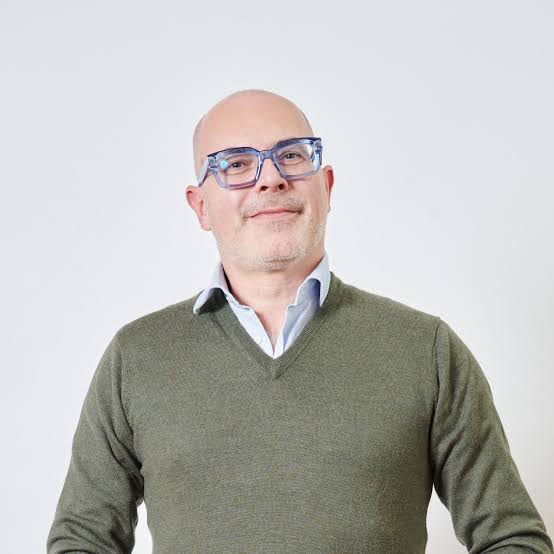
University of Padova, and
Veneto Institute of Molecular Medicine
Padova, Italy
Over the past two decades, mitochondrial morphology, ultrastructure and interactions with other organelles have emerged as important regulators of cell physiology. Changes in mitochondrial shape, cristae architecture and interorganelle contacts control processes as diverse as apoptosis, inflammation, differentiation and tumorigenesis. However, how mitochondrial dynamics and organelle interactions integrate complex cellular cues to determine specific biological responses remains unclear. Here, we will revisit key experiments that established the functional links between mitochondrial shape, ultrastructure and interorganelle communication in physiology and disease. We will also discuss our efforts to define the mechanisms by which mitochondria communicate with other cellular compartments and the questions that remain unresolved. In particular, we will focus on the crosstalk between mitochondria and the endocytic pathway and on the mechanisms through which this communication may regulate complex cellular responses such as angiogenesis.

EPFL
Lausanne, Switzerland
Oxidative damage to membrane lipids poses a serious threat to cellular integrity and can lead to ferroptosis, a form of cell death implicated in chronic diseases such as neurodegeneration, but also in cancer, where it could be exploited to kill tumor cells. Surprisingly, the mechanisms that couple lipid damage to gene regulation remain largely unknown. The newly discovered lipid quality control pathway, LORD (Lipid Oxygen Radical Defense) links lipid peroxidation to epigenetically gated gene expression and membrane repair. LORD is repressed at baseline by a ZNF354A-centered chromatin complex and activated through a lipid peroxide-dependent MAP kinase phospho-switch triggering complex disassembly and coordinated control of antioxidant gene expression, glutathione metabolism, selenoprotein synthesis, and GPX4 activity. LORD differs from canonical oxidative stress responses and connects epigenetic regulation to membrane biology, in particular through the control of S-acylation, the only reversible lipid post-translational modification of proteins.
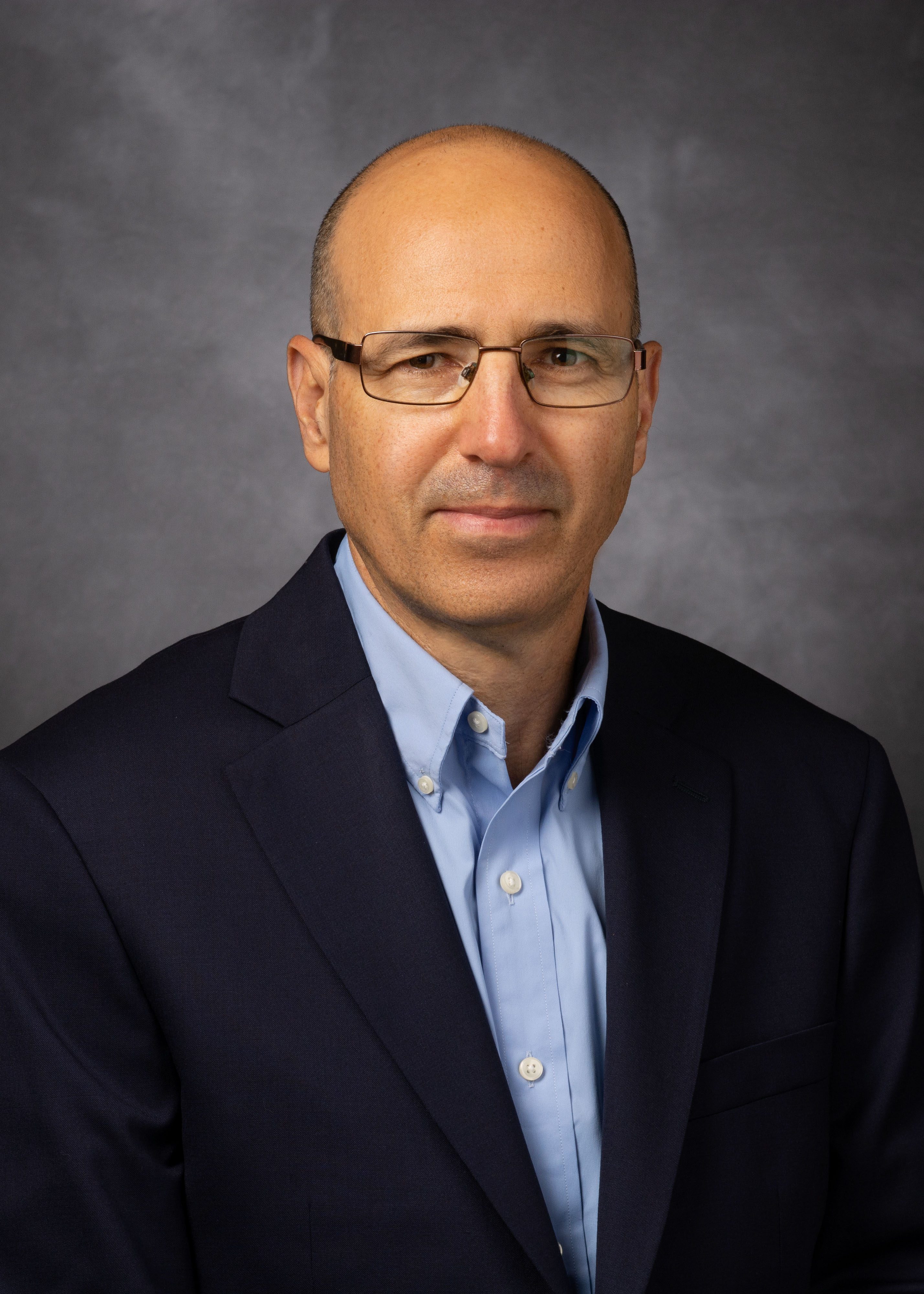
Vice President, Research
MD Anderson Cancer Center
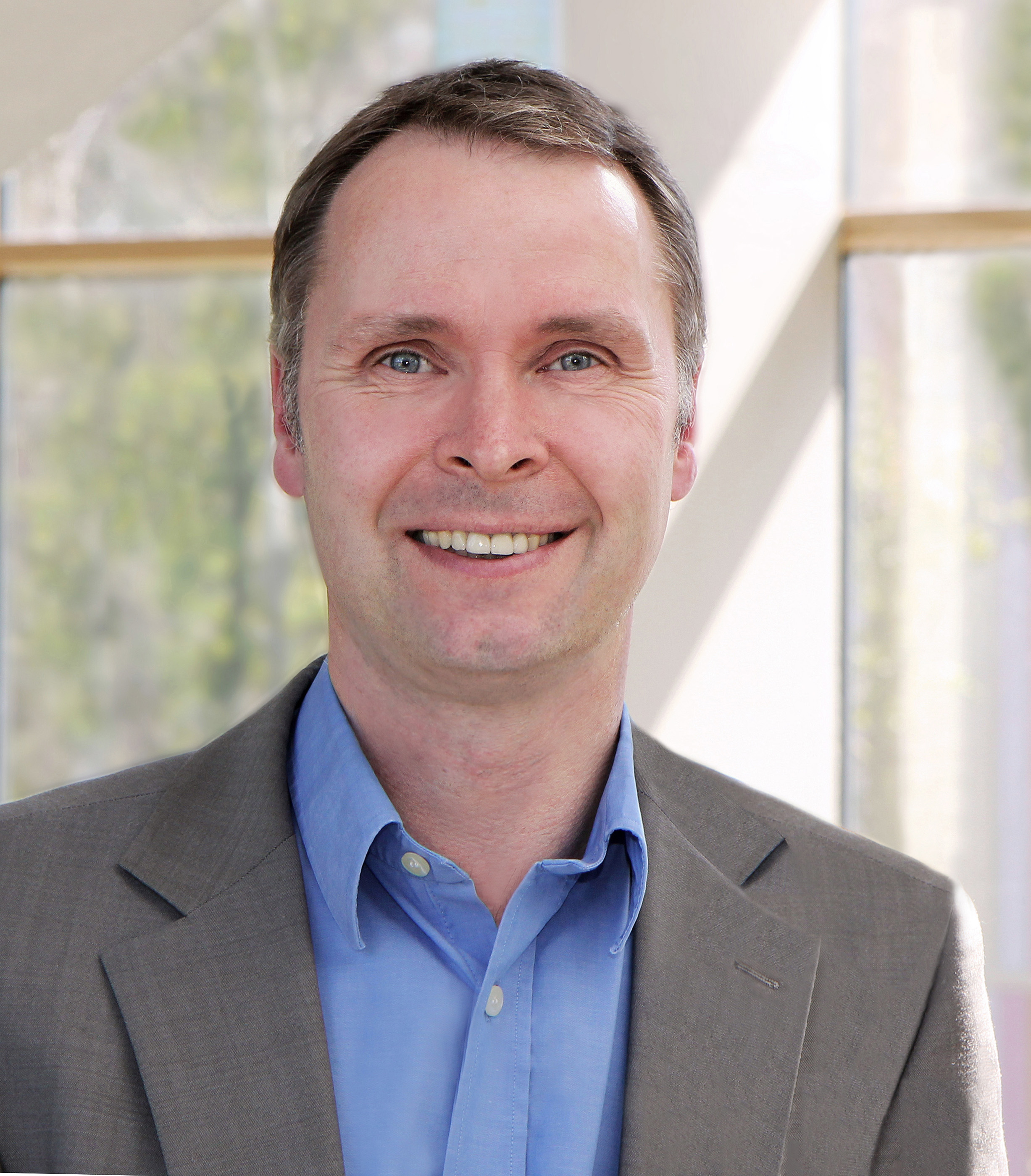
Leibniz-Forschungsinstitut für Molekulare Pharmakologie
im Forschungsverbund Berlin e.V.
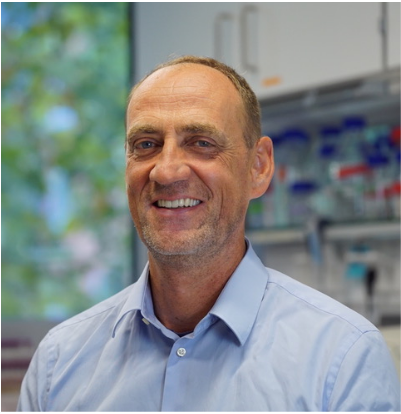
Max Planck Institute for Metabolism Research, Cologne
12. Dec 2023 16:00h
Location: University Hospital, Goethe University
Building 22, Lecture Hall 2
Download Abstract
Download Announcement